Black Friday E-Commerce Boom Signals Big Shifts for Retail Real Estate
Black Friday Sets $11.8B Online Sales Record as In-Store Traffic Softens Nationally
E-commerce surged to new heights while physical retail showed mixed performance, reinforcing shifting consumer spending patterns entering the 2025 holiday season.
The widening gap between e-commerce and physical traffic is reshaping retail and industrial real estate outlooks across SoCal.
Managing Director of Research and Public Relations at NAI Capital Commercial
U.S. consumers spent a record $11.8 billion online on Black Friday, according to Adobe Analytics, even as consumer sentiment remained at historic lows. Adobe now forecasts $253.4 billion in total online holiday spending from Nov. 1 through Dec. 31—up 5.3% year-over-year—positioning 2025 as the first quarter-trillion-dollar digital holiday season.
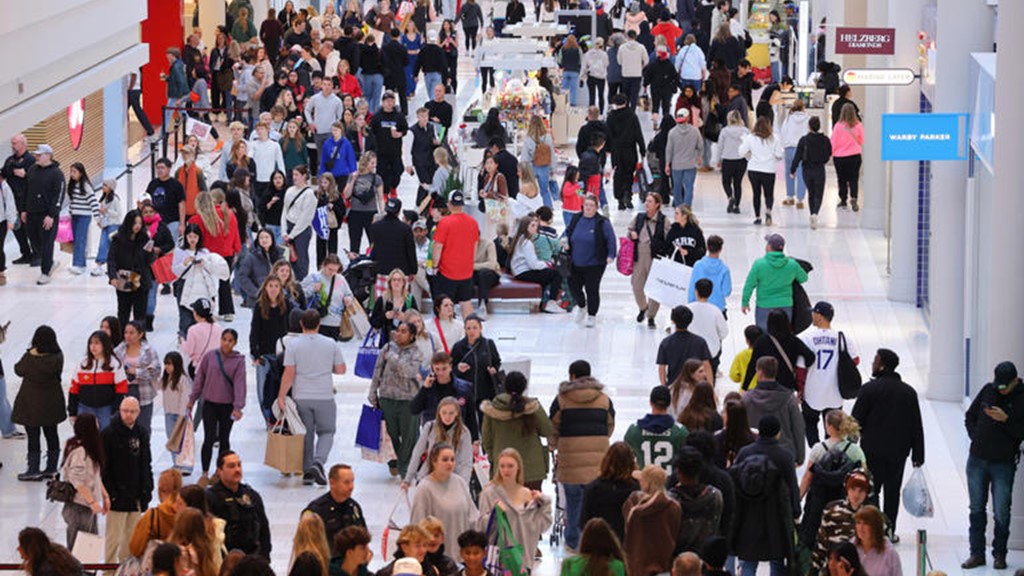
While e-commerce dominated, select physical retail destinations posted exceptional gains. Mall of America recorded 235,000 visitors on Black Friday and more than 500,000 through the weekend, the busiest period in its history. Still, nationwide in-store traffic declined 5.3% year over year, according to RetailNext, as consumers favored value-driven, planned purchasing over impulse buying.
Southern California retail fundamentals remain uneven. Data from the State of California Employment Development Department show retail job losses across most major markets, alongside mixed retail real estate vacancy trends—highlighting continued pressure on brick-and-mortar performance despite strong holiday demand.
Southern California Retail Snapshot (Latest available employment data through August 2025 and retail vacancy data as of December 2, 2025)
- Los Angeles County (Los Angeles–Long Beach–Glendale MSA)
-
- Retail Trade Employment: Down 0.2% month-over-month and 0.5% year-over-year
- Retail Vacancy: 6.3%, down 10 bps quarter-over-quarter and up 30 bps year-over-year
- Ventura County (Oxnard–Thousand Oaks–Ventura MSA)
-
- Retail Trade Employment: Flat month-over-month and up 0.3% year-over-year
- Industrial Vacancy: 5.4%, down 40 bps quarter-over-quarter and down 20 bps year-over-year
- Inland Empire (Riverside–San Bernardino–Ontario MSA)
-
- Retail Trade Employment: Down 0.2% month-over-month and 0.8% year-over-year
- Retail Vacancy: 6.5%, flat quarter-over-quarter and up 50 bps year-over-year
- Orange County (Anaheim-Santa Ana-Irvine, CA, MSA)
-
- Retail Trade Employment: Down 0.4% month-over-month and 0.9% year-over-year
- Retail Vacancy: 3.7%, flat quarter-over-quarter and up 40 bps year-over-year
The Split between strong online sales and softer physical traffic underscores the continued pressure on brick-and-mortar retail spaces, particularly for small and mid-sized properties. Landlords may need to rethink leasing strategies, focusing on tenants that offer experiential or essential services, while investors evaluate adaptive reuse opportunities for underperforming retail assets. High-performing malls and flagship locations can still capture foot traffic, but the trend toward value-driven, planned shopping signals that retail real estate success increasingly depends on location, tenant mix, and omnichannel integration.
Bottom Line: Black Friday spending remains a powerful economic driver, but the widening gap between e-commerce growth and physical store traffic continues to reshape retail and industrial real estate outlooks across Southern California.