Cooling Inflation and a Softer Labor Market Shift the Rate Outlook, Not the CRE Playbook
July Inflation Cools, Giving the Fed More Room to Wait After Jobs Report Shift
Cooling inflation and a weaker labor market are giving the Fed more flexibility, but commercial real estate still benefits from disciplined execution over interest rate speculation.
The latest inflation data gives the Fed more room to remain patient ahead of its September meeting.
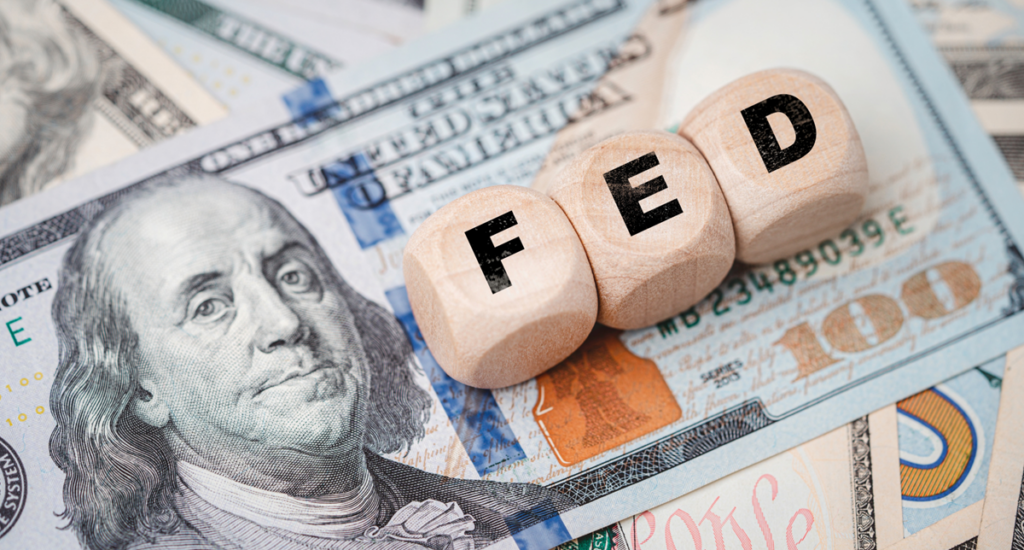
When the Federal Reserve concluded its July meeting, it kept the benchmark federal funds rate unchanged at 3.50% to 3.75%, but the decision came with a notable wrinkle: three regional bank presidents dissented, pushing instead for a rate increase. It was the first time since 2016 that three Fed officials broke from the majority in the same direction on a policy vote, signaling that internal pressure to tighten was building within the Federal Open Market Committee.
Under Chair Kevin Warsh, the Fed’s message held steady: restoring price stability remains the top priority. The July statement echoed June’s almost word for word, holding rates for a second straight meeting even as inflation stayed above the Fed’s 2% target.
Cleveland’s Beth Hammack, Minneapolis’s Neel Kashkari, and Dallas’s Lorie Logan all voted for a quarter-point hike, arguing that a resilient economy, bolstered by continued AI infrastructure and data center investment, no longer needed an accommodative stance.
Renewed conflict between the United States and Iran, which pushed energy prices higher in late July, added to the case for tighter policy.
The Narrative Is Already Shifting
Just days after the Fed meeting, the conversation changed.
Friday’s July jobs report delivered an unexpected signal that the labor market may be losing momentum faster than previously thought.
Instead of adding jobs, the U.S. economy lost 23,000 jobs in July, well below economists’ expectations for an 83,000-job gain. Just as important, the Labor Department revised May and June payrolls lower by a combined 103,000 jobs, suggesting hiring had already been slowing over the past several months.
At first glance, the unemployment rate appeared to improve, edging down to 4.1% from 4.2%. But the decline came for the wrong reason. More Americans stepped away from the labor force altogether, reducing the number of people actively looking for work. Fewer workers participating in the labor market lowered the unemployment rate even as fewer people were employed.
Private-sector hiring also softened. Employers added just 30,000 private-sector jobs during July. Construction remained one of the brighter spots, likely reflecting continued investment in AI infrastructure and data centers, while manufacturing posted modest gains. Meanwhile, leisure and hospitality, retail, and other consumer-oriented sectors continued to lose momentum.
The market’s attention has shifted accordingly.
Rather than asking whether the Fed still has another rate hike ahead, investors are now weighing whether slowing employment is beginning to offset persistent inflation pressures. Markets modestly reduced expectations for a September rate increase following the report, though policymakers still have another employment report and additional inflation data before their next meeting.
The latest inflation report added another reason for the Fed to wait. Annual inflation cooled to 3.4% in July from 3.5% in June, while core inflation, which excludes food and energy, eased to 2.5% from 2.6%. Core prices rose just 0.2% from the previous month, offering some evidence that underlying price pressures may be moderating.
Put simply: the base case is still a Fed on hold. Friday’s jobs report widened the range of outcomes, and July’s inflation data gives the Fed more room to remain patient. Inflation is still above the Fed’s 2% target, but a softer labor market and more moderate underlying price increases make another rate hike less urgent than it appeared after the July meeting.
What This Means for Commercial Real Estate
For commercial real estate, the practical guidance from June and July still mostly holds, but the calculus is now less one-directional than it looked just a few weeks ago.
-
- Near-term financing relief still isn’t guaranteed, but the July jobs and inflation reports have reduced expectations that the Fed will need to tighten further this fall.
-
- Buyers and sellers should continue underwriting conservatively rather than banking on an imminent policy shift in either direction. The Fed itself remains on hold, even as market pricing continues to evolve.
-
- Cap rate compression tied directly to Fed action remains unlikely in the very near term. Long-term borrowing costs continue to matter more for underwriting than the federal funds rate itself.
-
- Pricing discipline and operational performance continue to separate transactions that close from those that stall. That hasn’t changed.
-
- Transaction activity hasn’t disappeared. It remains selective, and that’s likely to continue until the market gains more clarity from upcoming labor, inflation, and interest rate data.
-
- Private owner-users remain among the most active buyer groups in today’s market, particularly in the 5,000 to 15,000 square foot range. These properties stay financeable, broadly marketable, and accessible to private businesses looking to convert occupancy costs into equity while gaining more control over long-term operating costs. As institutional capital remains selective, owner-users continue to represent a meaningful share of transaction activity across Southern California.
Looking Ahead
The July jobs and inflation reports are the latest tests for the Fed, but they won’t be the last.
Before policymakers meet again in September, they’ll receive another employment report and additional inflation data. Those releases will help determine whether July marked the beginning of a broader slowdown and whether the recent moderation in inflation can continue.
The latest inflation report gives the Fed more cover to remain on hold. Some economists now believe the combination of softer employment and moderating inflation could keep the Fed on hold through year-end, while others continue to see tariff, energy, and AI-driven inflation pressures as persistent enough to justify another rate increase if inflation refuses to cool.
Energy remains a wild card. Gasoline prices fell 2.9% in July as optimism around a potential resolution to the Iran conflict eased pressure on consumers, but prices remain well above year-ago levels and could move higher again if the conflict continues.
Whichever direction the Fed ultimately moves, the market has already evolved beyond asking simply whether rates will go higher or lower.
Execution matters more than prediction right now. Realistic underwriting and proactive client communication count for more than waiting on relief from either side of the Fed’s next decision. The buyers and sellers who succeed won’t be the ones betting on a single outcome, but the ones who know how to structure, underwrite, and close regardless of which way the Fed ultimately breaks.