CRE Investors Eye December Fed Meeting for Potential Rate Relief
December Fed Meeting May Signal Turning Point for CRE Debt and Investment Activity
A potential third rate cut could improve financing conditions for acquisitions and refinancings.
Investors watch Treasury yields, labor data, and the Fed’s policy pivot closely.
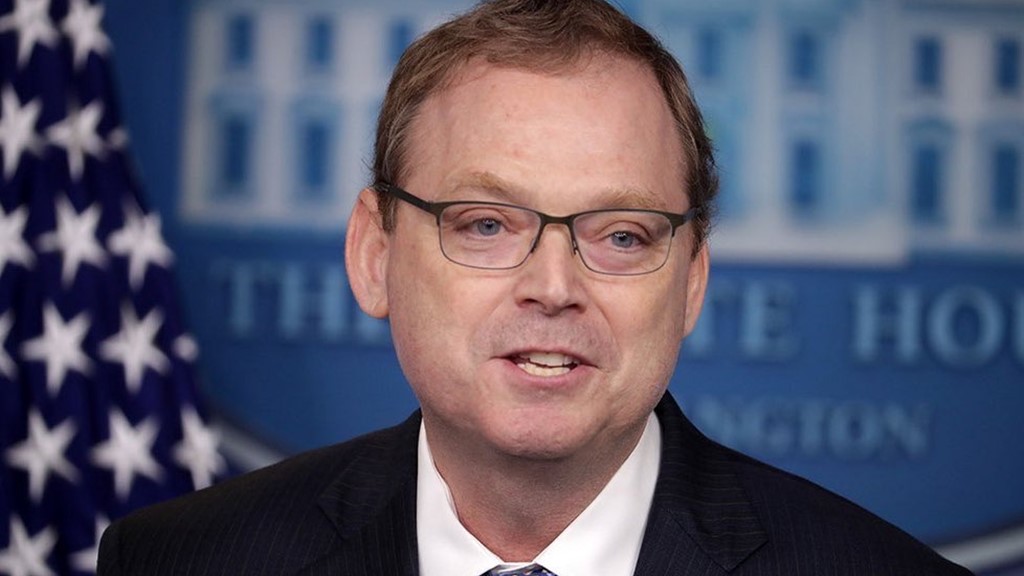 Kevin Hassett sees betting surge as next Fed chair, with investors eyeing potential rate cuts that could reshape CRE debt and acquisition activity.
Managing Director of Research and Public Relations at NAI Capital Commercial
With less than two weeks until the December 9–10 meeting of the Federal Reserve, policymakers remain sharply divided on whether to deliver a third interest rate cut of the year or hold rates steady. After 25-basis-point cuts in both September and October, another reduction is no longer viewed as a certainty.
Officials at the Federal Open Market Committee are weighing conflicting economic signals. Core inflation remains near 3%, above the Fed’s 2% target, supported in part by tariff-related price pressures. At the same time, the labor market is cooling. While unemployment remains relatively low and weekly layoffs are contained, job growth has slowed, and hiring freezes and selective layoffs are becoming more common.
Fed Chair Jerome Powell has acknowledged rising downside risks to employment while expressing cautious optimism on inflation. However, the Fed’s outlook has been further complicated by the recent federal government shutdown, which delayed key economic reports on inflation, employment, and consumer spending. Powell has likened the current policy environment to “driving in the fog.”
Market Expectations
Financial markets are currently pricing in roughly an 80% probability of a quarter-point cut at the December meeting. Treasury yields reflect that uncertainty, with the 10-year yield hovering near 4% as investors balance easing inflation expectations against slowing growth. Strong global demand for U.S. Treasurys and declining energy prices have helped prevent a meaningful rise in long-term interest rates.
Implications for Borrowers and Investors
-
A rate cut would likely support lower short-term borrowing costs and provide modest relief for commercial real estate financing, mortgages, and business lending.
-
A pause would signal that inflation risks remain front and center, potentially keeping capital costs elevated into early 2026.
-
Bond markets continue to signal confidence that the Fed will pivot more aggressively if economic momentum weakens.
Fed Leadership Developments Add Another Layer of Uncertainty
Scott Bessent, who is leading the search for the next Federal Reserve chair, said there is a “very good chance” that Donald Trump will announce his selection soon. Kevin Hassett has emerged as the front-runner in prediction markets, now favored at greater than 50%, pending Senate confirmation.
Hassett is viewed as closely aligned with calls for faster and deeper interest rate cuts, following criticism that the Fed’s three measured reductions this year were too gradual. Despite the headline risk, financial markets remained steady following the news. Powell’s current term as chair runs through May 15, 2026, meaning any leadership change would influence monetary policy expectations for the second half of 2026 and beyond.
Bottom Line
The December Fed meeting is shaping up to be one of the most consequential policy decisions in years. With inflation still above target, the labor market softening, economic data partially obscured by reporting delays, and leadership uncertainty on the horizon, the Fed faces a delicate balancing act. Whether the outcome is a cut or a pause, the decision will have immediate implications for borrowing costs, investment markets, and economic momentum heading into 2026.