Environmental Due Diligence Doesn’t Have to Kill Your Deal
What Every Broker, Buyer, and Owner Should Know About Environmental Due Diligence
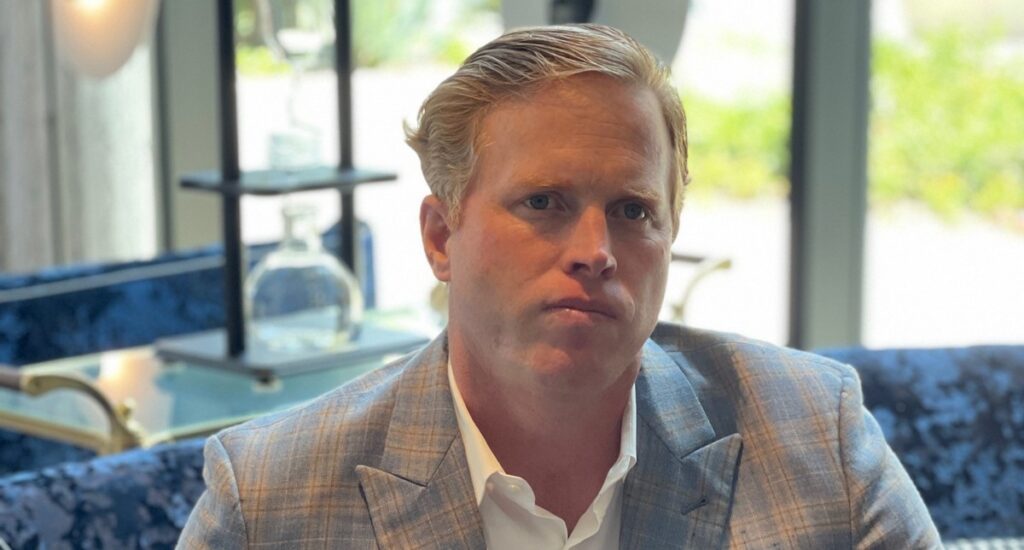
Marie Taylor, Executive Vice President at NAI Capital Commercial, sat down with Don Kellar, Professional Geologist and Co-Founder of Fulcrum Environmental, recently acquired by Blew & Associates, to discuss how proactive environmental due diligence can keep commercial real estate transactions moving forward.
Learn how early due diligence helps buyers, sellers, and lenders avoid surprises during escrow.
Managing Director of Research and Public Relations at NAI Capital Commercial
With more than 25 years of experience and environmental due diligence completed on over 10,000 properties throughout the United States and Canada, Don has encountered nearly every environmental challenge a commercial real estate transaction can present.
In this Q&A with Marie Taylor, Don shares practical insights to help brokers, buyers, lenders, and property owners navigate environmental risk with greater confidence.
Q: Environmental issues are often viewed as deal killers. How often can they actually be resolved so a transaction can move forward?
Don Kellar: Much more often than people realize. Proper environmental due diligence begins with a Phase I Environmental Site Assessment, which includes historical research, regulatory database reviews, and a site inspection. Equally important is transparency. When sellers and brokers provide prior reports or disclose known concerns early, environmental professionals can evaluate issues more efficiently, reducing delays and helping transactions stay on track.
Q: What are the most common environmental issues today compared to 10 or 15 years ago?
Don Kellar: The core issues haven’t changed dramatically, but the standards certainly have, especially in California. ASTM requirements, sampling methodologies, and laboratory comparison thresholds continue to evolve. A Phase II completed years ago may no longer satisfy today’s standards, making it important not to rely solely on older reports.
Q: What’s the biggest misconception when a Phase I identifies a recognized environmental concern?
Don Kellar: Many people assume the next step is simply drilling soil borings or groundwater sampling. Today’s investigations often include soil vapor and indoor air testing to evaluate vapor intrusion and potential health risks. The scope is typically broader than most people expect.
Q: Can you share an example where a significant environmental issue was resolved and the transaction stayed alive?
Don Kellar: One property had contamination identified by another consultant, who recommended enrolling the site in a state cleanup program. After additional investigation, we determined the contamination originated offsite rather than from the subject property. Engineering controls eliminated potential exposure, giving both the buyer and lender the confidence to proceed with the acquisition.
Q: How has environmental technology changed investigations over the years?
Don Kellar: Sampling and remediation technologies have become faster and more accurate, although some remain too costly for routine transactions. The biggest advancement has been digital access to environmental records. Research that once required days of manual file reviews can now often be completed within hours.
Q: What can brokers and owners do before escrow to minimize surprises?
Don Kellar: Gather every prior environmental report, assessment, and property records before due diligence begins. Early disclosure of known issues saves time, reduces costs, and allows everyone to make informed decisions before escrow becomes time sensitive.
Q: How are lenders approaching environmental risk today?
Don Kellar: Most lenders have become much more sophisticated. Rather than automatically viewing environmental issues as deal breakers, many now have established processes for evaluating and managing environmental risk.
Q: What separates a manageable environmental issue from a long-term concern?
Don Kellar: Smaller issues, such as documentation involving hazardous waste management, tank testing, clarifiers, or minor spills, can often be addressed during escrow. More serious concerns typically involve unresolved contamination that requires additional investigation or remediation.
Q: Are certain property types in Southern California more likely to require additional investigation?
Don Kellar: Yes. Older industrial properties, particularly those built between the 1940s and 1970s, frequently require Phase II investigations because many historically supported manufacturing operations or hazardous material use before being converted to warehouse or distribution facilities.
Q: What’s the single most important piece of advice you would give buyers and property owners?
Don Kellar: Collect every historical environmental report you can find before the transaction begins. Missing reports discovered late in escrow often create unnecessary delays, additional costs, and avoidable uncertainty.
Q: How often do environmental concerns turn out to be less severe than initially feared?
Don Kellar: Quite often. Buyers and sellers naturally assume the worst when subsurface testing is recommended. Once additional sampling and analysis are completed, the findings are frequently more manageable than originally expected.
Q: Are new regulations affecting environmental due diligence?
Don Kellar: Absolutely. California updated its soil vapor screening levels in 2019, and additional revisions to DTSC vapor intrusion guidance, including updates through 2025, continue to influence how Phase II investigations are conducted today.
Q: How important is communication throughout the transaction?
Don Kellar: It’s critical. When the consultant is engaged directly by the buyer, communication is often more collaborative among brokers, lenders, and escrow officers. When attorneys or lenders retain the consultant, communication typically follows more formal protocols.
Q: What qualities distinguish a strong environmental consultant?
Don Kellar: Experience, technical expertise, and communication. A good consultant explains findings clearly, keeps investigations appropriately scoped, and helps all parties understand the real level of risk without creating unnecessary alarm.
Closing Thoughts
Environmental due diligence doesn’t have to derail a commercial real estate transaction. With early preparation, transparent communication, and an experienced environmental consultant, most issues can be identified, evaluated, and addressed before they become obstacles to closing.

About Marie Taylor
Marie Taylor, LEED AP, is an Executive Vice President with NAI Capital Commercial specializing in the sale and leasing of industrial and office properties throughout Pasadena and the San Gabriel Valley. Since 2003, she has completed hundreds of commercial real estate transactions, representing property owners, investors, and business operators in the acquisition, disposition, and leasing of commercial assets.
Known for her practical approach and strong network of industry professionals, Marie works closely with clients to identify opportunities, navigate challenges, and assemble the right team of experts to help transactions reach successful outcomes. Her experience spans family-owned real estate, owner-user properties, investment assets, lease negotiations, and strategic real estate planning.
For questions regarding environmental due diligence, commercial real estate transactions, or referrals to trusted industry specialists, connect with Marie on LinkedIn.