How Nonprofits Are Using Real Estate Ownership to Build a Foundation for Growth
Why More Nonprofits Are Turning to Real Estate Ownership to Support Long-Term Growth
NAI Capital Commercial Executive Vice President John Bosko highlights how nonprofit organizations are using ownership strategies to create operational stability and advance their missions.
Ownership is helping nonprofits control costs and build lasting community impact.
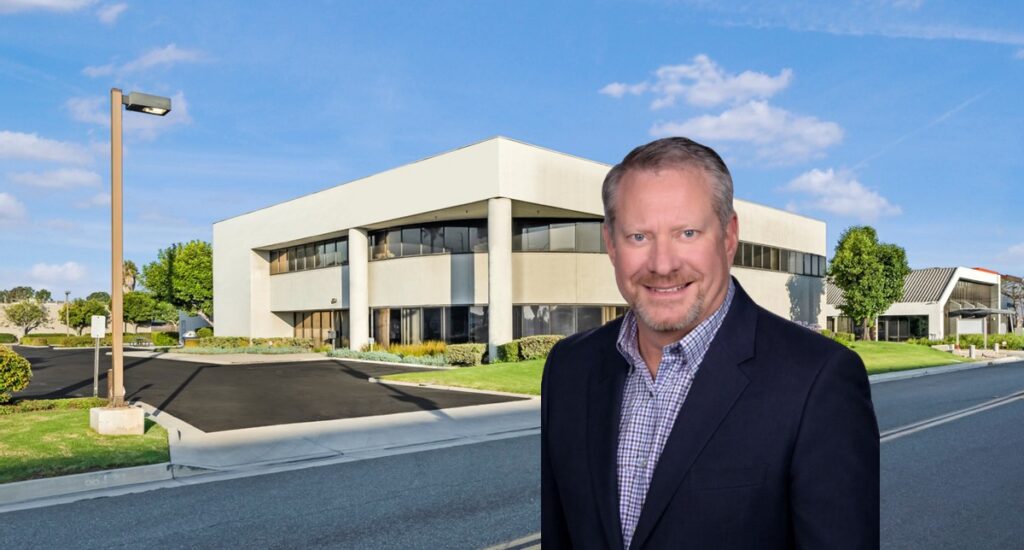
Managing Director of Research and Public Relations at NAI Capital Commercial
As nonprofit organizations continue to navigate rising occupancy costs, limited availability of specialized facilities, and the need for long-term operational certainty, more are exploring commercial real estate ownership as a strategic solution.
According to John Bosko, Executive Vice President with NAI Capital Commercial’s Investment Services Group, nonprofit organizations are increasingly recognizing that owning real estate can provide greater control over their future while allowing them to invest directly in spaces that support their missions.
“Nonprofit organizations are taking a closer look at ownership because it provides stability, protects against future occupancy cost increases, and allows them to create facilities tailored specifically to their programs,” said Bosko. “For organizations with a long-term vision, real estate ownership can become an important tool for supporting growth and strengthening their financial foundation.”
A recent example is NAI Capital Commercial’s representation of Orange County Music & Dance (OCMD) in the acquisition of a 25,000-square-foot commercial building at 17872 Cowan in Irvine. The acquisition will effectively double OCMD’s instructional footprint, providing additional space for classrooms, rehearsal studios, music production facilities, expanded programming, and future enrollment growth.
“Facilities like this rarely become available in Irvine,” said Bosko. “The building offered an exceptional combination of location, functionality, and long-term value. For Orange County Music & Dance, ownership was about much more than acquiring real estate. It was about creating a permanent home that will support its mission for decades.”
The transaction required extensive collaboration among the buyer, seller, consultants, and tenant improvement contractors. For Bosko, the opportunity represented the type of assignment where commercial real estate directly supports an organization’s broader goals.
”Seeing an organization dedicated to serving thousands of Orange County families secure a permanent campus made the process especially rewarding,” said Bosko. “The right property can provide more than a physical location. It can become a foundation for growth, community impact, and long-term success.”
The Growing Role of Owner-User Strategies Among Nonprofits
While many nonprofits have traditionally relied on leasing, ownership is becoming an increasingly attractive option for organizations with established operations and long-term growth plans. By acquiring facilities, nonprofits can gain greater control over their occupancy costs, customize their environments, and build equity in a strategic asset.
As commercial real estate markets continue to evolve, Bosko believes nonprofit owner-user acquisitions will remain an important segment of the market.
“Nonprofits are evaluating real estate decisions through a longer-term lens,” said Bosko. “For organizations with the financial capacity and a clear mission-driven purpose, ownership can provide the stability and flexibility needed to serve their communities for generations.”