Title Issues, Missing Signatures, and What Actually Delays a CRE Closing
What Nearly 20 Years in Commercial Escrow Teaches You About What Actually Delays a Closing
In this conversation, Commercial Escrow Officer Ellen Dilbeck of Glen Oaks Escrow shares the lessons she’s learned from nearly two decades of guiding commercial transactions to closing.
Title issues, missing signatures, and one very unexpected baby goat.
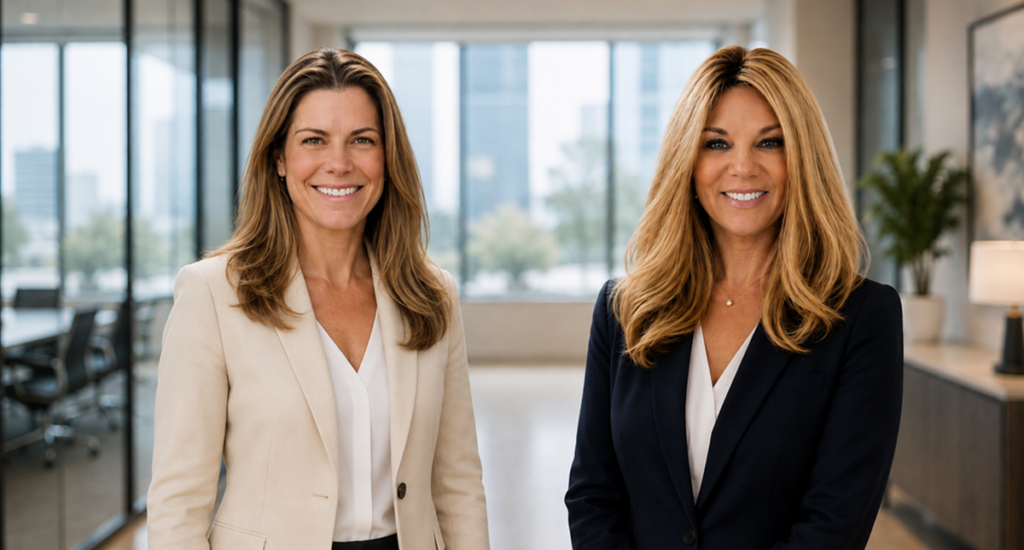
Managing Director of Research and Public Relations at NAI Capital Commercial
Commercial escrow rarely makes headlines, but it quietly determines whether a deal closes on time, closes late, or falls apart altogether. As a Commercial Escrow Officer, Ellen Dilbeck has spent years navigating the details, deadlines, and unexpected challenges that can make or break a transaction. Marie Taylor, Executive Vice President at NAI Capital Commercial, sat down with Ellen to talk through the mistakes that most often delay a closing, how commercial escrow has changed over the years, and what brokers, buyers, and sellers can do to keep their deals on track.
The mistakes that cause delays
Ask Ellen what derails a closing, and the answer usually comes back to attention, not complexity.
“One of the biggest issues I see is brokers losing track of contingency deadlines or not staying actively involved with their clients throughout the transaction,” she says. On the seller’s side, she points to a surprisingly common problem: “leaving town—especially the country—without letting anyone know, which can create signing delays.” For buyers, the holdup is more predictable. “The biggest holdup is usually taking too long to get the lender the documents they need.”
Title issues, Ellen says, are the earliest and most reliable warning sign that a deal may be headed for trouble. “If there are liens, ownership discrepancies, or people showing up on title who aren’t part of the contract, it’s worth addressing those immediately before they grow into larger problems.” She returns to this point later in the conversation, calling unresolved title problems the single issue most capable of stopping a closing outright, and recommends reviewing the preliminary title report as early as possible rather than waiting until the end of escrow.
An industry that has changed shape
Ellen has watched commercial escrow shift from a largely administrative function into something far more security-driven. “It used to be focused mostly on moving documents and coordinating the closing,” she explains. “Today, there’s a much greater emphasis on fraud prevention, identity verification, cybersecurity, lender compliance, and verifying beneficial ownership.” Wire fraud, she notes, has become one of the industry’s biggest concerns.
The financing landscape is shifting too. Ellen is seeing more all-cash purchases than before, along with a rise in hard-money financing as buyers look for faster or more flexible funding.
What brokers, buyers, and sellers can do early
Much of Ellen’s advice comes down to front-loading the parts of a transaction that tend to get put off. A simple, often-overlooked step: “making a proper introduction to their clients with complete principal contact information,” which she says makes communication far smoother throughout the deal.
For listing brokers, she recommends providing escrow with rent rolls that are complete and accurate, and alerting clients to get entity documentation over to escrow as soon as it’s available. For buyers, the advice is consistent: get documents to the lender as promptly as possible, and if the purchasing entity hasn’t been formed yet, form it early and get signed agreements to escrow without delay.
Entity and trust documentation brings its own recurring headache. “Signing authority is the biggest one,” Ellen says. “We need to know exactly who has the legal authority to sign. Sometimes operating agreements are outdated, managers have changed, trusts have been amended, or required resolutions haven’t been prepared.” None of these issues are hard to solve, she adds—but they take time, which is exactly why they need to be caught early.
The deal that had everything
Every escrow officer has a story, and Ellen’s is a case study in how many moving parts a single closing can absorb. The buyer was purchasing a multi-family property using a hard-money loan and a seller carryback, cross-collateralized by another property he owned under a different name. The purchase entity was an LLC facilitating a 1031 exchange. The cross-collateralized property was held in a trust that still listed the buyer’s deceased wife as trustee—she had passed away more than 20 years earlier in Georgia. The buyer himself was a high-ranking official in Nigeria, living there full-time. To top it off, the seller’s counsel had drafted incomplete carryback documents.
“It just had one twist after another,” Ellen says. “But it closed successfully!”
Not every memorable moment involves paperwork. Ellen’s most unusual pre-closing story: a listing agent who had to fly to the seller’s location for signatures—and ended up helping deliver a baby goat while he was there. “Yes, that really happened!”
Managing expectations, and what clients actually value
Ellen’s advice to newer brokers is less about tactics than about honesty. “Don’t promise timelines you can’t control,” she says. Commercial escrows move through lenders, title companies, attorneys, inspections, and multiple third parties, and delays don’t always signal a problem—they’re often just part of the process. Brokers who communicate consistently and prepare clients for each stage, she says, give their clients far more confidence in the transaction.
Lenders, in her view, haven’t gotten harder to work with over time—they’ve simply always required the full picture. “Lenders have always required copies of all escrow instructions early and throughout the transaction,” she notes, along with copies of all signed documents at closing, to confirm every party agreed to the same terms and figures.
What separates experienced commercial brokers from newer agents, Ellen says, is communication and involvement. “They don’t assume escrow, title, or the lender is handling everything and are involved from beginning to end. Experienced brokers anticipate problems before they become emergencies, so they can be resolved early and efficiently.”
And what do clients value most in a great escrow officer—even if they don’t always realize it? Access. “The escrow officer picks up the phone every time and doesn’t delegate to subordinates,” Ellen says. Speed in answering and resolving questions matters too, along with a willingness to think outside the box—getting a problem solved before it becomes a problem at all.
Her philosophy sums it up simply: “Over deliver… Make raving fans out of everyone we touch.”

About Marie Taylor
Marie Taylor, LEED AP, is an Executive Vice President with NAI Capital Commercial specializing in the sale and leasing of industrial and office properties throughout Pasadena and the San Gabriel Valley. Since 2003, she has completed hundreds of commercial real estate transactions, representing property owners, investors, and business operators in the acquisition, disposition, and leasing of commercial assets.
Known for her practical approach and strong network of industry professionals, Marie works closely with clients to identify opportunities, navigate challenges, and assemble the right team of experts to help transactions reach successful outcomes. Her experience spans family-owned real estate, owner-user properties, investment assets, lease negotiations, and strategic real estate planning.
For questions regarding commercial real estate escrow, commercial real estate transactions, or referrals to trusted industry specialists, connect with Marie on LinkedIn.
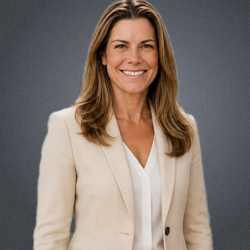
About Ellen Dilbeck
Ellen Dilbeck is a Commercial Escrow Officer with extensive experience navigating complex commercial real estate transactions. Known for her accessibility, responsiveness, and practical approach, Ellen works closely with brokers, buyers, sellers, lenders, attorneys, and title professionals to identify potential issues early and keep transactions on track.
Ellen’s experience includes transactions involving financing, 1031 exchanges, trusts, LLCs, seller carrybacks, and complex title and ownership matters. She believes in anticipating problems before they become emergencies and delivering a level of service that makes clients feel confident from opening escrow through closing.
For questions regarding commercial real estate escrow, connect with Ellen on LinkedIn.