What a 4.2% Inflation Rate Means for Commercial Real Estate Leases, Investments, and Occupancy Costs
Inflation Reaccelerates to 4.2%, Raising New Questions for Commercial Real Estate
Higher energy costs and declining real wages could pressure consumer spending, while keeping interest rates elevated and increasing CPI-linked rent adjustments.
May inflation reached its highest level in more than three years, reducing the likelihood of Fed rate cuts and creating new challenges for occupiers, landlords, and investors.
Today’s Rates
|
|
|
|
|
U.S. inflation accelerated to 4.2% year over year in May, the highest reading since 2023, as rising energy prices tied to the conflict in the Middle East pushed consumer costs higher. While core inflation remained relatively contained at 2.9%, the increase effectively removes any near-term prospect of Federal Reserve rate cuts and has revived speculation that rates could move higher later this year.
For commercial real estate, the report carries several important implications.
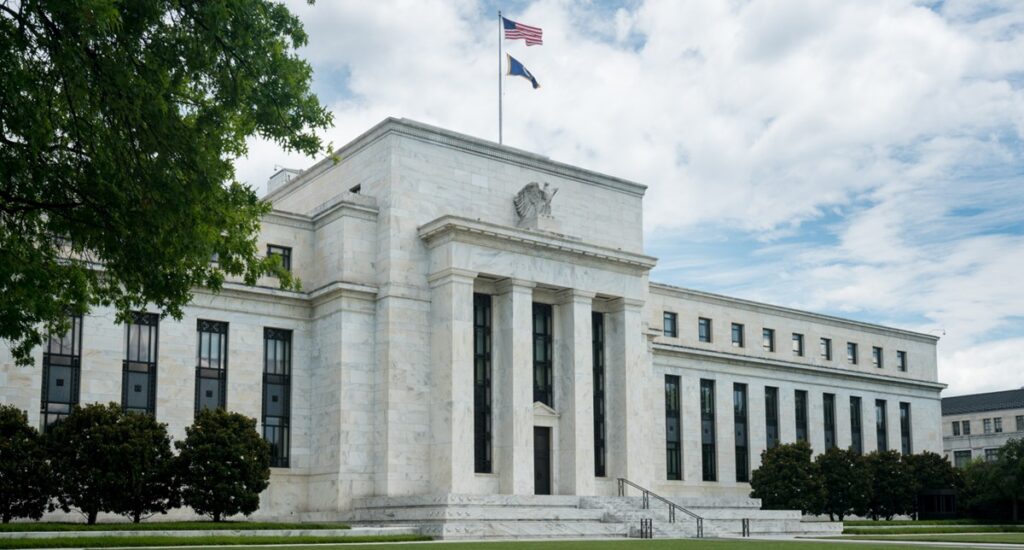
First, elevated inflation and higher-for-longer interest rates are likely to prolong financing challenges for investors. Borrowing costs remain well above historical norms, limiting transaction activity and keeping pressure on asset values, particularly in office and other sectors still navigating weak fundamentals.
Second, the report showed real average hourly earnings declined 0.7% from a year ago, marking the largest drop in more than three years. As household purchasing power weakens, discretionary consumer spending could slow later in 2026. Retail tenants may face additional pressure if higher energy costs, transportation expenses, and eventually food prices continue to reduce disposable income.
Industrial occupiers are also watching transportation and fuel costs closely. Rising logistics expenses can increase operating costs throughout supply chains, though demand for strategically located distribution facilities often remains resilient during inflationary periods as companies seek greater efficiency.
The inflation report also highlights an often-overlooked impact on commercial leases. Many retail, office, industrial, and medical office leases contain annual rent escalations tied directly or indirectly to the Consumer Price Index. As inflation rises, landlords with CPI-based lease structures may benefit from stronger rent growth, while tenants face higher occupancy costs upon adjustment periods.
Notably, shelter inflation moderated during the month, with owners’ equivalent rent rising 0.3%, helping offset some broader inflation pressures. However, inflation remains well above the Federal Reserve’s 2% target, suggesting policymakers are likely to maintain a cautious stance for the foreseeable future.
For commercial real estate decision-makers, the latest CPI report reinforces a familiar theme: inflation may have eased from its pandemic-era peak, but it remains a significant factor shaping leasing decisions, investment underwriting, operating expenses, and capital markets activity throughout the remainder of 2026.